
Natural gems have unique characteristics and journeys that make traceability increasingly important
Why Traceability Matters in the Gem Industry

The colour, brilliance, rarity and beauty of a natural gem are often the first things that attract attention. However, behind every gem is a story about where it came from, the journey it took through the supply chain and what is known about its history.
As consumers become increasingly interested in ethical purchasing and responsible sourcing, gem traceability is becoming an important consideration in the global gem and jewellery industry.
Traceability helps buyers access information about the gems they purchase, supporting more informed decisions and greater transparency.
In an industry where a gem may pass through several stages before reaching its final owner, understanding its origin and journey can make a meaningful difference.
This article explores what gem traceability means, why it matters, the challenges involved, how technology supports transparency and how RURI approaches gem traceability.
What Is Gem Traceability?
Gem traceability refers to the process of recording and tracking information about a gem as it moves through different stages of the supply chain.
The information collected may vary depending on the type of gem, its supplier and the traceability system being used. Some gems may have documentation about their origin, while others may have records covering additional stages of their journey.
Traceability helps buyers and supply-chain participants understand what is known about a particular gem. It is important to distinguish gem traceability from gem identification and grading.
A gemological report may describe a gem's species, variety, treatment and other physical characteristics. Traceability, on the other hand, focuses on the gem's documented history, provenance and movement through the supply chain.
Although these serve different purposes, they can complement each other by providing a more complete understanding of a gem.
Why Is Traceability Important in the Gem Industry?
A gem's appearance alone cannot reveal its entire history. Documentation and supporting information can help buyers understand more about their purchase and make informed decisions.
1. Understanding a Gem's Origin
A gem's origin can be an important part of its identity. Some buyers are interested in knowing the country or region where a gem was mined, particularly when certain locations are recognised for producing specific types of gems.
However, geographic origin should be supported by appropriate documentation or reliable gemological evidence. A gem's colour alone is not sufficient to determine where it came from. When reliable origin information is available, buyers can gain a better understanding of the gem they are considering.
2. Encouraging Ethical and Responsible Sourcing
A natural gem may pass through several hands before reaching the market. The supply chain can involve miners, dealers, cutters, exporters, manufacturers and retailers. Responsible sourcing considers the legal, social and environmental responsibilities associated with gem extraction, trading and production.
Traceability can help businesses:
- Collect information about gem origins.
- Identify gaps in their supply chains.
- Improve supplier evaluation.
- Support more informed sourcing decisions.
- Maintain records of documented transactions.
However, traceability alone does not guarantee that a gem has been ethically sourced. Reliable data, supporting documentation and appropriate verification are also necessary.
3. Building Trust Between Buyers and Sellers
Purchasing a gem involves more than evaluating its carat weight, colour, cut and clarity. Buyers may also want to understand where the gem came from and what is known about its history. When sellers provide clear documentation and explain the available evidence, customers can make more confident decisions.
Transparency also means acknowledging information that is incomplete or unavailable. Honest communication about both verified facts and limitations can help strengthen relationships between businesses and customers.
4. Preserving a Gem's Story
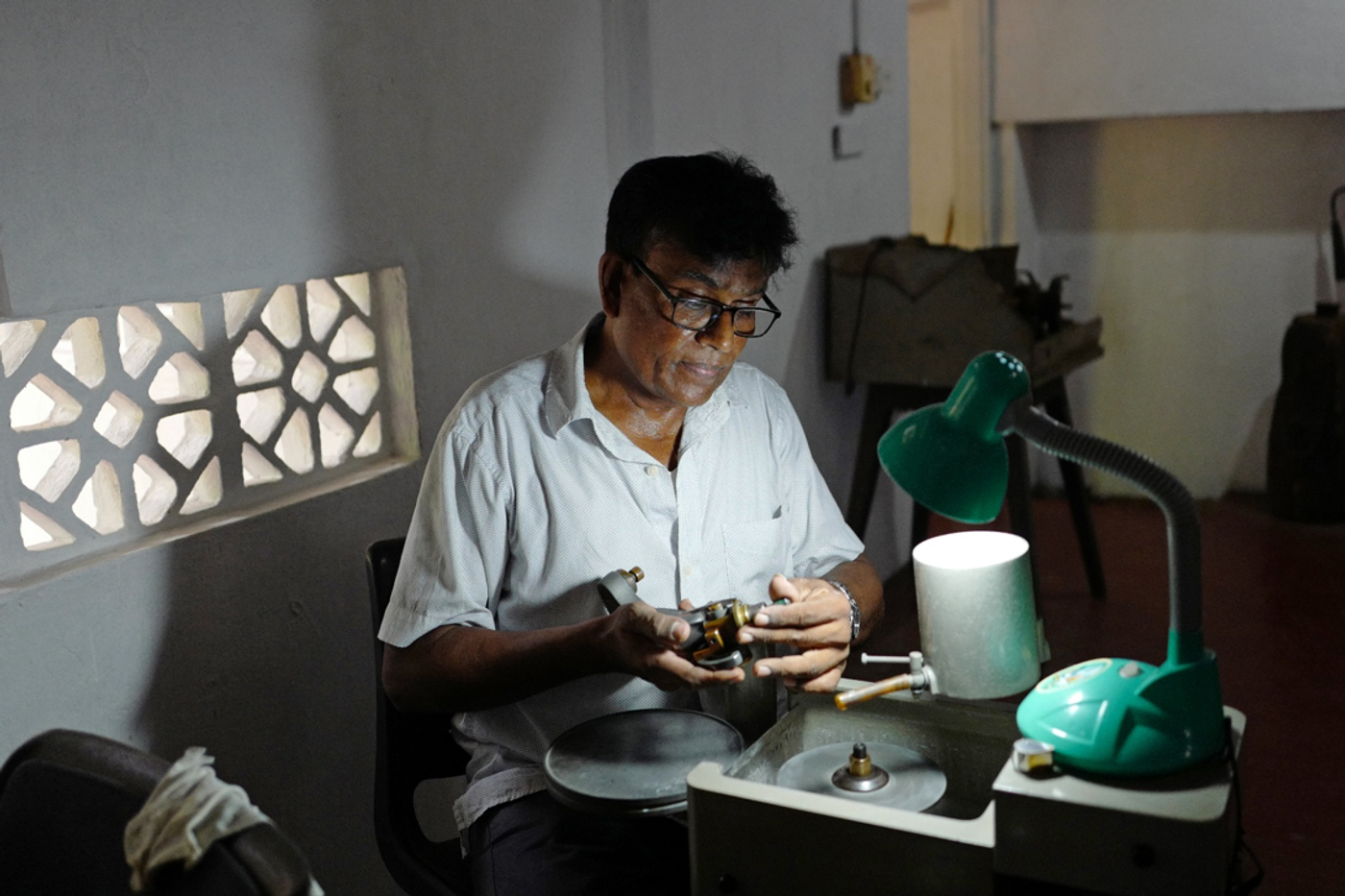
A gem may be owned, gifted or passed down through generations. Without proper documentation, important information about its origin, acquisition and previous journey may eventually be lost. Digital documentation can help preserve information that is currently available.
When records are properly maintained and accurately connected to the correct physical gem, future owners may find it easier to explore its documented history. Traceability is therefore not simply about storing records. It is also about preserving meaningful information associated with a gem.
What Challenges Make Gem Traceability Difficult?
Although traceability offers several benefits, tracking a gem throughout its journey can be challenging. The global gem industry involves different suppliers, markets and processing stages. The availability and quality of information can vary significantly.
Common challenges include:
- Complex supply chains: A gem may pass through numerous businesses and handlers before reaching a retailer.
- Incomplete documentation: Some stages of the journey may not have supporting records.
- Origin verification:** Claims about geographic origin may require independent evidence or professional assessment.
- Changes in a gem's appearance: Cutting and polishing can change a gem's physical characteristics, making it important to maintain an accurate connection between the gem and its earlier records.
- Different documentation standards: Businesses may collect and store information using different systems, making records harder to compare.
These challenges demonstrate that effective traceability requires more than a digital document, certificate or product label. Accurate information, reliable documentation and appropriate verification methods are essential.
How Can Technology Improve Gem Traceability?
Technology can help gem businesses collect, organise and manage information throughout the supply chain. Different technologies serve different purposes, and their effectiveness depends on how they are implemented.
1. Digital Records
Digital systems can store information such as:
- Supplier details.
- Transaction records.
- Gem descriptions.
- Supporting documentation.
- Supply-chain information available.
When properly maintained, digital records can make information easier to access, review and manage than scattered paper documents. They can also support the long-term preservation of information associated with individual gems.
2. Blockchain Technology
Some gem traceability systems use blockchain technology to maintain records of events or transactions. Blockchain can help create a shared record designed to make recorded information difficult to alter without detection. This may support the preservation of documented events within a gem's supply chain.
However, blockchain technology cannot independently verify whether the original information entered the system is accurate.
The reliability of a blockchain-based traceability system still depends on the quality of the information and the verification processes used.
3. Gem Identification and Documentation
Photographs, gemological reports, testing results and other identification methods can help distinguish one gem from another. Combining these identification techniques with supply-chain records may strengthen the connection between a physical gem and its digital history.
Accurate identification is particularly important when a gem changes appearance through cutting or polishing. Ultimately, technology is a tool for improving transparency. Its value depends on the accuracy of the information collected, the ability to identify the gem and the reliability of the claims being recorded.
How Does RURI Approach Gem Traceability?

RURI is a gem and jewellery brand that encourages customers to explore more than the physical beauty of natural gems. Through its traceability-focused offerings, RURI promotes the importance of understanding a gem's documented background and journey.
The brand's approach highlights several important elements:
- The story associated with a gem.
- The availability of background information.
- The documentation supports that information.
- The ability to explore recorded aspects of the gem's journey.
RURI aims to help customers develop a deeper understanding of the gems they choose rather than viewing them only as beautiful objects. This approach connects gem ownership with information, transparency and personal meaning.
What Should You Look for When Buying a Traceable Gem?
When purchasing a natural gem, quality, price and professional gemological assessment remain important considerations. Traceability provides another useful way to evaluate the available information. Before purchasing a traceable gem, consider asking the seller these five questions.
1. Where did the gem come from?
Ask about its stated country or region of origin and what evidence supports that information.
2. What documentation is available?
Check whether the gem comes with reports, certificates or other records supporting the seller's claims.
3. How are the records connected to the physical gem?
Find out how the seller ensures that the documentation belongs to the specific gem being purchased.
4. Has the gem undergone treatment?
Ask whether treatment information is available and whether it is documented in the relevant reports.
5. What does the traceability record establish?
Understand which stages of the gem's journey have been documented and where information may be missing.
A responsible seller should be able to explain what the available evidence confirms, what it does not confirm and what remains unknown. Traceability should complement, rather than replace, professional gem assessment.
Frequently Asked Questions About Gem Traceability
What is gem traceability?
Gem traceability is the process of recording information about a gem as it moves through different stages of the supply chain. Depending on the system, records may include origin, processing, transactions and other documented events.
Why is gem origin important?
A gem's origin can provide information about its geographic and historical background. Some buyers may also be interested in gems from mining regions. However, geographic origin claims should be supported by reliable evidence.
Does traceability mean a gem is ethically sourced?
Not necessarily. Traceability helps document a gem's journey, but it does not automatically guarantee compliance with labour, environmental or ethical standards. Responsible sourcing requires additional evidence and verification.
Can blockchain prove where a gem came from?
Blockchain can help preserve records entered into a system, but it cannot independently confirm whether the original information is accurate. Reliable origin verification and supporting evidence are still necessary.
Is gem traceability the same as a gem certificate?
No. A gemological certificate or report generally describes the gem's characteristics and testing results. Traceability focuses on its documented provenance and supply-chain history. Both can complement each other.
Why is transparency important in the gem industry?
Transparency helps buyers understand what is known about a gem, evaluate supporting information and make informed purchasing decisions. It can also encourage clearer communication between businesses and customers.
How can technology support gem traceability?
Digital records, blockchain systems and gem identification methods can help organise and preserve information. Their effectiveness depends on accurate data collection and reliable verification.
What is RURI's approach to gem traceability?
RURI promotes access to available information about a gem's background and documented journey. Its approach encourages customers to look beyond appearance and explore the story and supporting information associated with their gems.
Every Gem Has More Than a Beautiful Appearance
The beauty of a natural gem may capture attention, but understanding its background can add another dimension to the ownership experience. Traceability helps document available information about where a gem came from and how it moved through the supply chain.
When supported by reliable evidence, this information can improve transparency and help customers ask more informed questions. However, the value of traceability depends on more than presenting an interesting story.
The information behind that story must be accurate, meaningful and supported by appropriate evidence.
RURI's approach to gem traceability encourages customers to appreciate not only the beauty of the gems they choose but also the information and stories connected to them.

Discover the Story Behind Your Gem
Every gem has its own characteristics, beauty and potential story. Explore RURI's gem and jewellery offerings and discover how available gem information can contribute to a more meaningful purchasing experience.